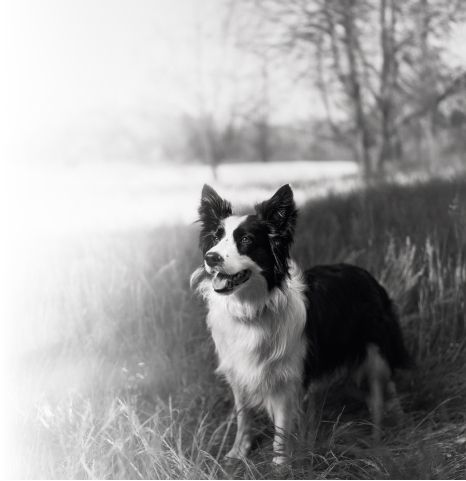

At Man’s side for millenia, the dog has adapted, but he has behavioral and nutritional requirements of his own. Knowing them and respecting them will guarantee his well-being and his health.

The cat’s feline nature is always a matter of fascination. He adapts with apparent ease to daily life, and yet he has behavioral and nutritional requirements of his own. Knowing them and respecting them will guarantee his well-being and his health.

Because of its composition, a Royal Canin Health Nutrition food provides all essential nutrients measured out with utmost precision in order to contribute every day and on a long-term basis to the well-being and health of every animal, according to his age, his size, his physiological condition and his breed.

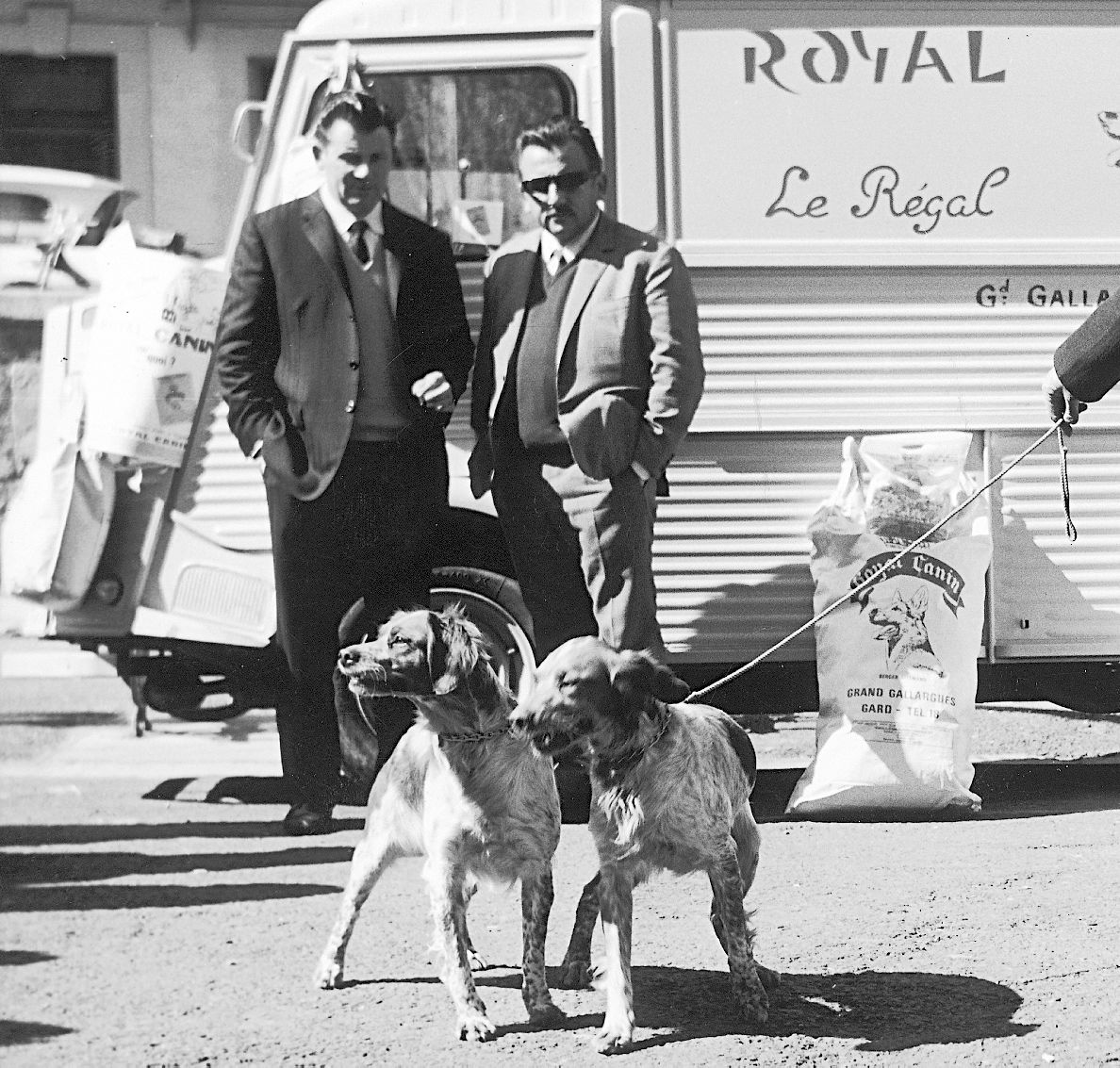
Innovation for the sake of dogs and cats’ health. For over 40 years, Royal Canin has worked with breeder partners and veterinary nutritionists to go ever further into innovation and precision to enable us to formulate nutritional solutions which perfectly meet dogs and cats’ real needs.

Home > Finnish Hound

Finnish Hound

Print Send to a friend aA+ Aa-


Finnish Hound

The Finnish article

Original name: Suomenajokoira

Type: Braccoid

Male size: 21½-24 inches

Female size: 20½-23 inches

Degree of grooming

6

Scenthounds and Related Breeds
FCI


Countries of origin Finland

Did you know ?

?

Finnish Hounds are enthusiastic hare and fox trackers, even in tough conditions. They work independently, chasing the game while barking resonantly.

Calm, energetic and friendly, never aggressive, Finnish Hounds are medium-sized dogs with a tricolor coat. These rectangular canines – the body is much longer than the height at the withers – are powerful but never heavily built. There is a clear distinction between the sexes.


Finnish Hound In a few words :

  • Head

    Viewed from the front, skull of regular breadth, domed; viewed from the side, slightly convex forehead.


  • Body

    Straight, muscular, medium-length back, rather short, powerful loins, long, strong, well developed croup.


  • Coat

    Tricolor.


  • Ears

    Hanging, with the front edge close to the head.


  • Tail

    Set low, lightly curved, reaching to the hock.


  • Hair

    Short, dense, soft undercoat; medium-length, close, straight, dense, rather harsh topcoat.


At the beginning of the 19th century Finland was home to many different dogs resembling European hounds. The Finnish Hound began after the establishment of the national kennel club in 1889. The first standard was published in 1932, and clubs throughout the country worked to develop the breed. Crossbreeding at the start of last century helped produce the present-day breed.